Husky Sledding Tours in Tromsø: Complete What to Expect Guide 2026-2027
Husky sledding tours Tromsø: €150-250 (2-4 hrs total, 20-40 min actual sledding). Control your own sled or ride passenger. Book 2-4 weeks peak season. Complete 2026 guide.
Last updated: August 31, 2026
TL;DR
Husky sledding tours in Tromsø cost €150-250 per person for 2-4 hour experiences including 20-40 minutes actual sledding, dog interaction, hot drinks, and transportation from city hotels. Tours operate November-April with peak season December-February. Most tours offer self-drive options where you control your own sled (ages 16+) or passenger riding where guide drives (all ages, kids 5+ typically). Expect 4-6 Alaskan or Siberian huskies per sled pulling 2 people (150kg combined max), reaching speeds 15-25 km/h through snowy wilderness. Physical demand is moderate with standing on runners requiring balance and occasional running beside sled uphill. Book 2-4 weeks ahead peak season. What’s included: transport, gear (thermal suits, boots, gloves if needed), instruction, sledding time, kennels tour, hot drinks, photos often. Not included: personal winter clothing base layers, tips (€5-15 optional). Tour format: 30min drive to kennels, 30min preparation and instruction, 20-40min sledding depending on tour length, 15min dog time after, 30min return. Temperature requirements: -5°C to -25°C, tours cancel if too warm (no snow) or too cold (-30°C+ dangerous). Ethical tours ensure dogs rest adequately (max 3-4 runs daily), receive veterinary care, and show genuine enthusiasm pulling. Private tours €600-1,200 for 2-8 people.
4 hours for self-drive husky sledding. Book Self-Drive Husky Sledding
Discover what fits this part of your trip. The four-hour husky outing includes kennel transfers, an Arctic suit and winter boots. Explore Self-Drive Husky Adventure On Kvaløya
What Actually Happens on a Dog Sledding Tour?
Hotel pickup collects participants 8-9am (morning tours) or 12-1pm (afternoon tours) via minibus driving 30-45 minutes to wilderness kennels located 20-40km from Tromsø city center.
Arrival at kennels begins with thermal suit fitting and safety briefing (15-20 minutes) covering sled control, commands, trail rules, and what to expect during the experience.
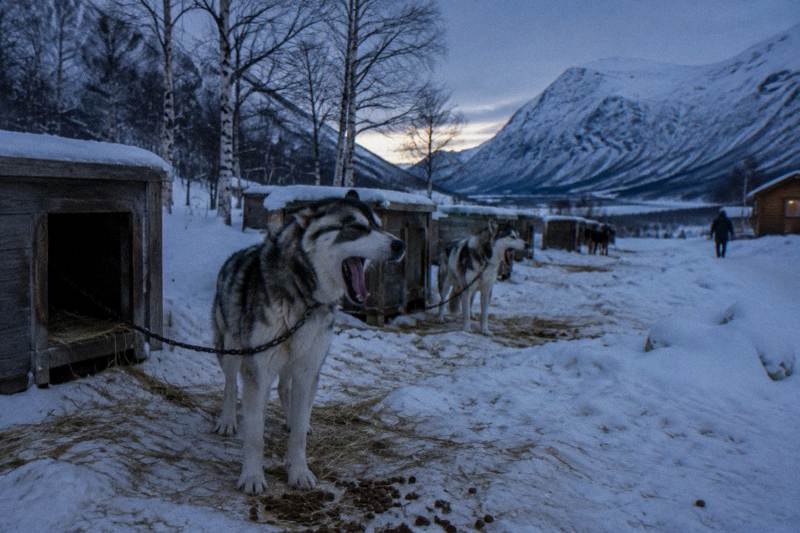
Dog team preparation shows mushers harnessing 4-6 huskies per sled while participants watch, with excited dogs barking intensely creating energetic chaotic atmosphere before departure.
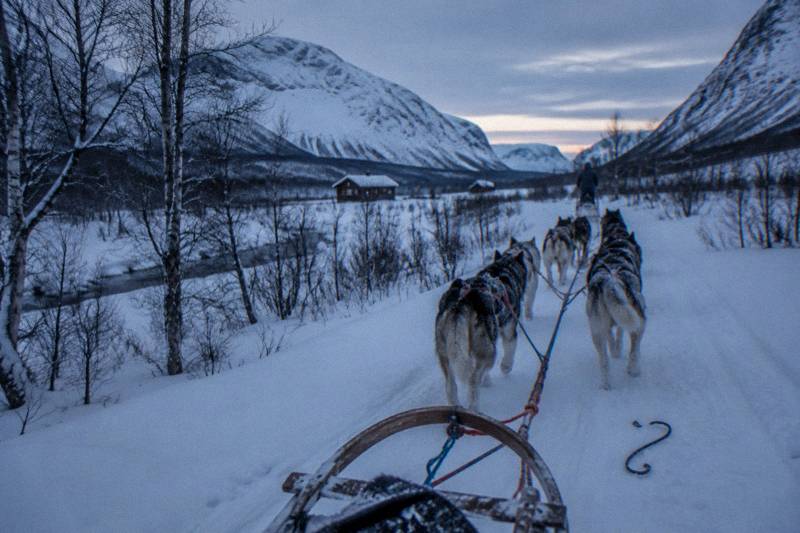
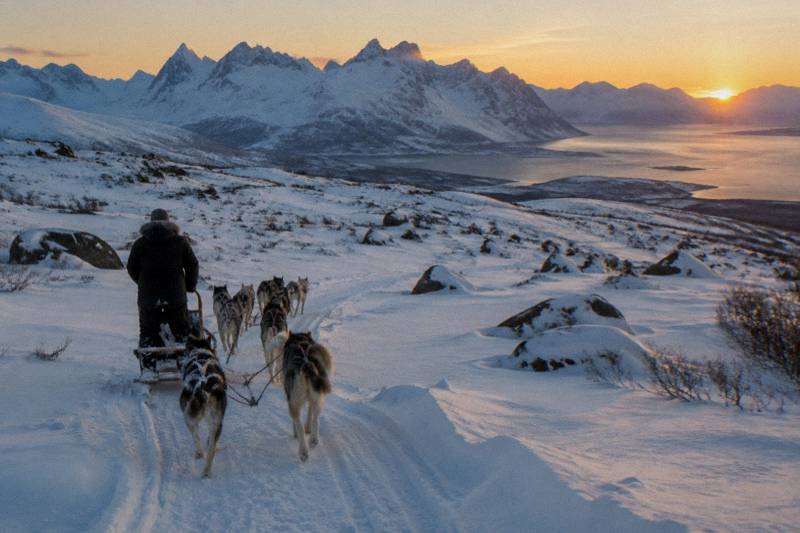
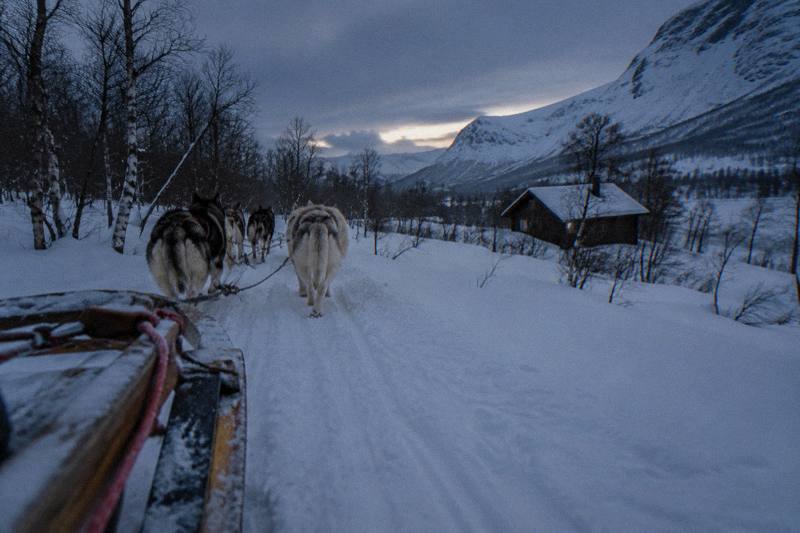
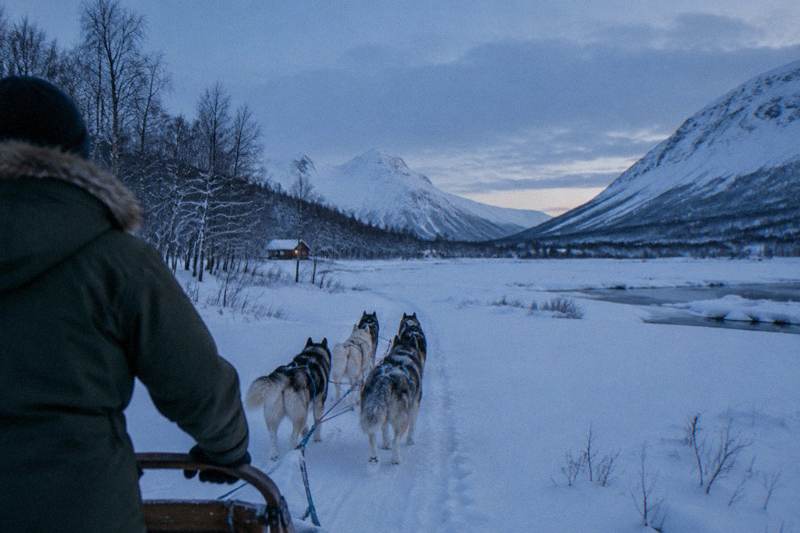
Sledding experience lasts 20-40 minutes depending on tour package, traveling 5-15km through snow-covered forests, frozen lakes, or mountain terrain with stops for photos and driver switching.
This tour meets outside Scandic Ishavshotel 10 minutes early and returns there. Check your actual travel date before arranging other plans around its four-hour schedule. Check Self-Drive Tour Dates
Table: Complete Dog Sledding Tour Timeline Breakdown
| Time | Activity | Duration | What Happens | Your Role | Energy Level | What to Expect |
|---|---|---|---|---|---|---|
| 0:00-0:30 | Hotel pickup, drive to kennels | 30-45 min | Minibus transport, group gathering | Sit, relax, meet others | Low | Scenic winter drive, anticipation |
| 0:30-0:50 | Arrival, thermal suit fitting | 15-20 min | Gear distribution, sizing, bathroom | Get dressed in layers | Low | Bulky suits, multiple fittings |
| 0:50-1:10 | Safety briefing, instruction | 15-20 min | Sled control, commands, trail rules | Listen, ask questions | Low | Critical information, pay attention |
| 1:10-1:30 | Dog team harnessing | 15-20 min | Watch mushers prepare dogs | Observe, photograph | Medium (excitement) | Very loud barking, chaotic |
| 1:30-2:10 | Actual sledding experience | 20-40 min | Drive through wilderness, switch drivers | Control sled or ride | High | Thrilling, cold, bumpy, magical |
| 2:10-2:25 | Return, unharnessing dogs | 10-15 min | Dogs released, cooldown | Pet dogs, take photos | Medium | Calmer dogs, interaction time |
| 2:25-2:45 | Hot drinks, snacks | 15-20 min | Gather indoors, warm up, stories | Relax, socialize | Low | Welcome warmth, share experience |
| 2:45-3:15 | Return transport to city | 30-45 min | Drive back to hotels | Sit, process experience | Low | Tired but happy |
The hotel pickup convenience eliminates navigation challenges with operators collecting participants from major downtown hotels, creating 8-12 person groups typical for tours.
Thermal suit fitting provides oversized insulated coveralls worn over regular clothes, with boots and gloves available if participants lack proper winter gear.
Safety briefing covers critical information including sled brake usage (step on bar behind runners), steering commands (“gee” right, “haw” left though dogs mostly follow trail), and proper standing position.
Dog team chaos before departure creates incredibly loud environment with 40-80 huskies barking excitedly knowing they’re about to run, overwhelming first-time visitors with noise intensity.
The actual sledding 20-40 minutes represents only 15-20% of total tour time (2.5-4 hours) with remaining 80% being transport, preparation, and post-sledding activities.
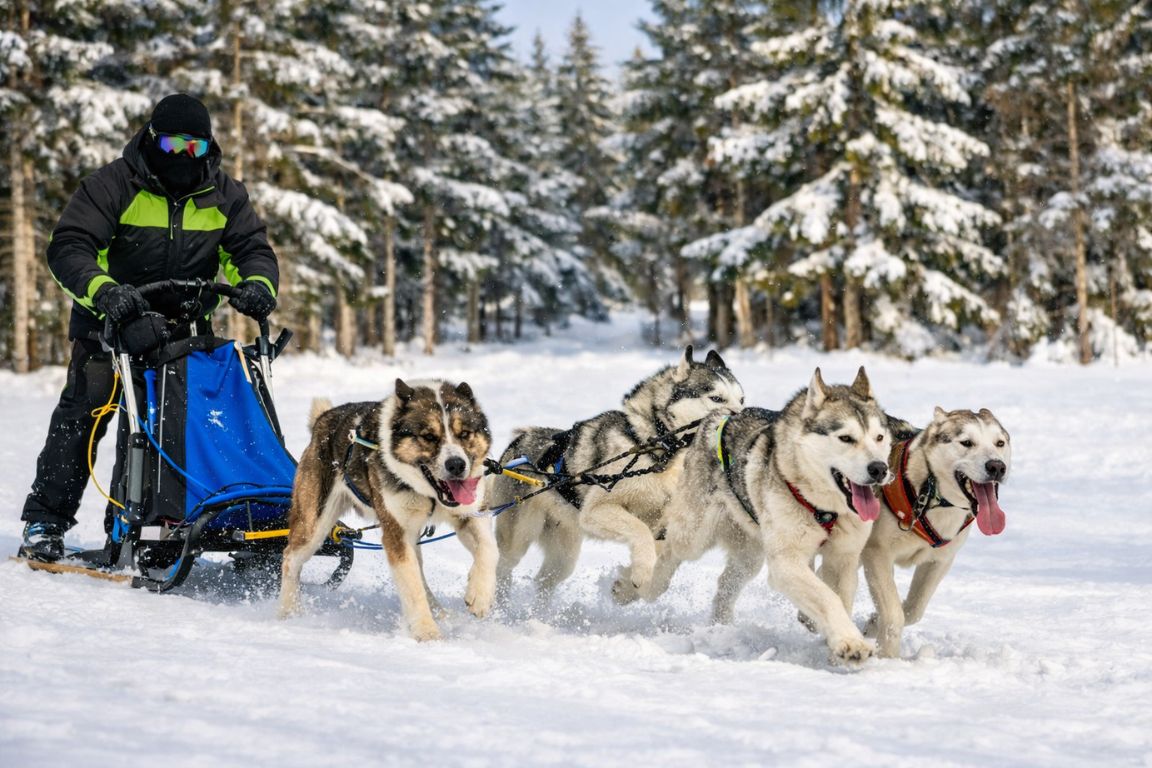
Driver switching mid-route enables both sled riders experiencing control, with front person (driver) standing on runners while rear person sits in sled basket switching halfway.
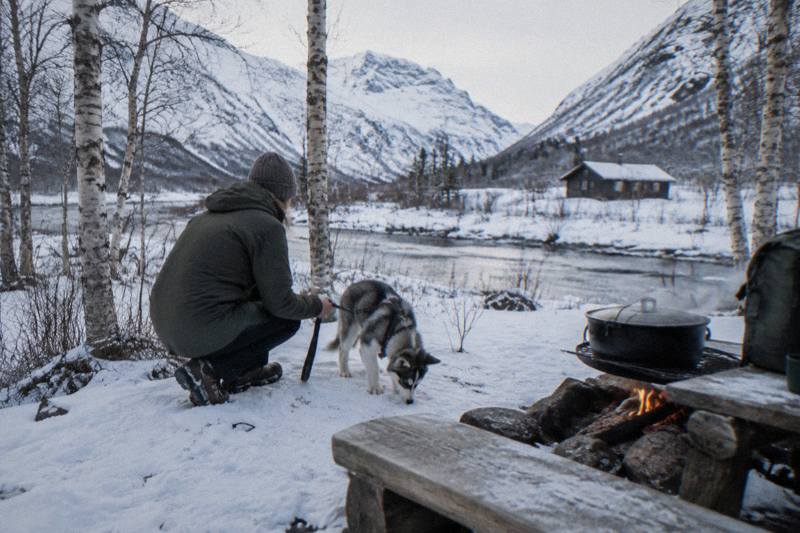
Post-sledding dog interaction allows petting and photographing calmer dogs after exercise reduces their manic pre-run energy, creating memorable gentle moments versus chaotic harnessing.
Hot drinks typically include coffee, tea, hot chocolate, and sometimes light snacks (cookies, biscuits) served indoors at kennels warming cold hands and bodies.
The experience exhaustion surprises many with moderate physical exertion, cold exposure, and adrenaline creating tiredness despite relatively short active sledding time.
What Are the Different Tour Types and Lengths?
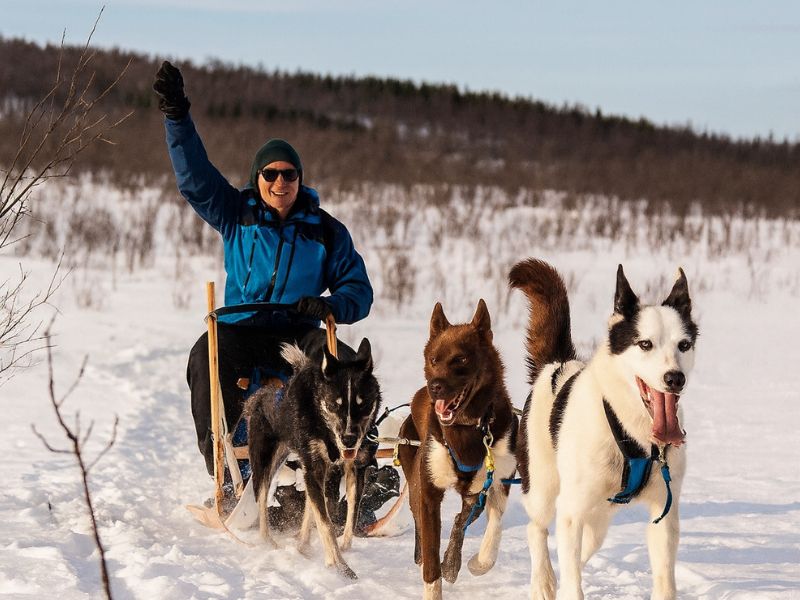
Short tours (2-2.5 hours total, 20 minutes sledding) cost €150-180 providing introduction to dog sledding suiting time-constrained visitors or families testing kids’ interest.
Standard tours (3-4 hours total, 30-40 minutes sledding) cost €200-250 representing the most popular option balancing experience depth with reasonable time commitment and pricing.
Extended tours (5-6 hours total, 60-90 minutes sledding) cost €300-400 offering serious wilderness immersion with lunch stops, longer distances, and comprehensive mushing experience.
Multi-day expeditions (2-5 days) cost €800-2,500+ providing overnight wilderness camping, extensive sledding, and deep Arctic immersion though requiring advanced fitness and cold tolerance.
For detailed attraction descriptions, costs, optimal timing, restaurant recommendations, and sample itineraries, see our complete Tromsø guide on what to see and do.
Table: Dog Sledding Tour Types Compared
| Tour Type | Total Duration | Actual Sledding | Cost | Distance Covered | Best For | Included | Physical Demand | Booking Lead |
|---|---|---|---|---|---|---|---|---|
| Short Intro | 2-2.5 hrs | 20 min | €150-180 | 3-5 km | Time-limited, families, testing | Transport, 30min sledding, basics | Low-Medium | 1-2 weeks |
| Standard Half-Day | 3-4 hrs | 30-40 min | €200-250 | 8-12 km | Most visitors, best value | Transport, full experience, drinks | Medium | 2-4 weeks |
| Extended Full-Day | 5-6 hrs | 60-90 min | €300-400 | 20-30 km | Enthusiasts, serious experience | Transport, lunch, extended sledding | Medium-High | 3-5 weeks |
| Evening Northern Lights | 4-5 hrs | 30-40 min | €280-350 | 8-12 km | Winter evenings, aurora combo | Sledding + aurora hunting, dinner | Medium | 3-4 weeks |
| Private Tour | 3-4 hrs | 40-60 min | €600-1,200 total | 12-20 km | Groups 2-8, customized | Exclusive experience, flexibility | Medium | 4-6 weeks |
| Multi-Day Expedition | 2-5 days | 4-8 hrs daily | €800-2,500+ | 60-150+ km total | Adventure seekers, fit only | Camping, meals, extended wilderness | Very High | 2-3 months |
Short tour limitations include rushed feeling with minimal actual sledding time and reduced dog interaction, though providing taste of experience at lowest cost.
Standard half-day tours offer optimal value with 30-40 minute sledding providing genuine experience without exhaustion or excessive time commitment, explaining their popularity.
Extended full-day tours appeal to dog sledding enthusiasts wanting serious wilderness time, with 60-90 minute runs enabling reaching remote locations and deeper immersion.
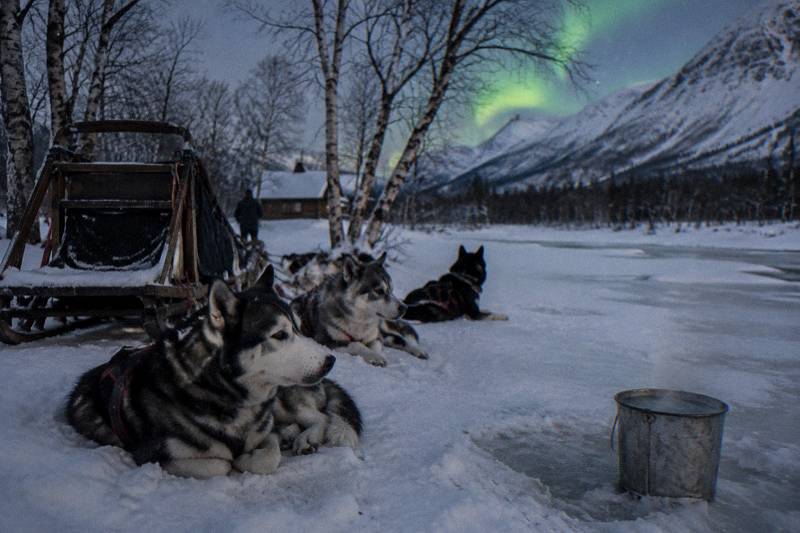
Evening Northern Lights combination tours operate December-February pairing dog sledding with aurora viewing, though sledding happens before dark (4-6pm) then switching to aurora hunting.
Private tour advantages include flexible pacing, customized routes, no sharing sleds with strangers, and ability to adjust timing based on group abilities or interests.
Multi-day expedition requirements demand advanced fitness, camping tolerance, and comfort with wilderness toileting since overnight trips venture far from facilities into remote areas.
The best value calculation shows standard €200-250 tours providing 30-40 minutes sledding at €5-8 per minute, while short €150-180 tours cost €7.50-9 per minute sledding.
Morning versus afternoon timing affects mostly peak season crowds with morning tours (8am pickup) seeing 20-30% fewer participants than afternoon tours (12pm pickup).
How Much Physical Effort Does Dog Sledding Require?
Standing on sled runners requires balance and leg strength maintaining position during 30-40 minutes with bumpy terrain, turns, and occasional jolts testing stability.
Running beside sleds uphill assists dogs on steep grades with drivers jumping off and jogging 20-50 meters alongside before jumping back on, happening 2-4 times per run.
Brake application needs leg strength pressing metal bar behind runners with one foot while maintaining balance on other foot, arms holding handlebar throughout.
The physical demand rates as moderate with most visitors ages 12-70 completing tours successfully, though genuine fitness requirements exist beyond marketing descriptions suggesting “anyone can do it.”
Table: Physical Requirements and Limitations
| Physical Factor | Requirement Level | Why It Matters | Who Struggles | Adaptations Available | Age Restrictions |
|---|---|---|---|---|---|
| Balance Standing | Medium | Stay on runners 30-40 min | Poor balance, elderly, injuries | Ride as passenger only | None if passenger |
| Leg Strength | Medium | Control brake, run uphill | Knee problems, weak legs | Shorter tours, passenger option | Self-drive 16+ typically |
| Cardio for Uphill | Low-Medium | Run beside sled 20-50m | Poor cardio fitness, elderly | Walk instead of run | 12+ for uphill running |
| Cold Tolerance | Medium-High | Stand still in -15°C wind | Cold-sensitive, thin people | Layering, hand warmers, breaks | 5+ with proper gear |
| Upper Body (Arms) | Low-Medium | Hold handlebar, steer | Weak grip, arm injuries | Shorter tours reduce strain | None specific |
| Weight Limit | 150kg combined per sled | Dog safety, performance | 2 heavy adults (80kg+ each) | Single heavier person + light person | Vary by operator |
| Mobility Getting In/Out | Medium | Climb into sled basket | Limited mobility, injuries | Assistance from guides | Wheelchair impossible |
The standing position on runners with knees slightly bent absorbs bumps and maintains balance, with locked straight legs causing instability and potential falls.
Uphill running assistance happens when trails climb steep grades, with guides signaling “get off and run” requiring dismounting moving sled and jogging alongside for 20-50 meters.
Brake usage requires pushing metal claw-bar into snow with one foot applying pressure while balancing on other foot holding handlebar, taking practice coordinating movements.
Weight restrictions show most operators limiting combined sled weight to 150kg (330 lbs) for two people protecting dog welfare, with heavier guests potentially requiring single-rider arrangements.
The cold exposure standing stationary (versus hiking generating body heat) requires warmer clothing than other winter activities, with -15°C feeling significantly colder without movement.
Age considerations show minimum ages 5-7 years for passenger riding, 12-16 years for self-driving depending on operator policies, with upper limits based on fitness not age.
Pregnancy restrictions typically prohibit dog sledding due to bumpy terrain and falling risks, with most operators declining pregnant women at any trimester.
Physical disabilities compatibility varies with wheelchair users unable to participate, limited mobility managing with assistance, and sensory disabilities (hearing, vision) being accommodated.
Recovery time needed shows most participants feeling tired but not exhausted after tours, with next-day muscle soreness in legs and core being common.
What Should You Wear and Bring?
Thermal base layers (top and bottom) worn under provided thermal suits provide essential insulation, with cotton t-shirts and jeans being inadequate for -15°C to -25°C conditions.
Winter boots rated -30°C or equivalent bring from home since provided boots (if offered) come in limited sizes and quality, with cold toes being most common discomfort complaint.
Thin gloves worn under provided thick mittens enable taking photos or adjusting gear, with hands being second most common cold complaint after feet.
Personal items include phone, camera (keep warm in inner pocket), sunglasses, lip balm, and hand warmers, while valuables should stay at hotels to avoid loss.
Confused about what to bring? The complete packing guide covers everything from -30°C rated boots (essential winter) to rain jackets (essential summer) with costs and where to buy.
Check your date before arranging other plans. Explore an option that includes a thermal suit and snow boots; personal base layers, gloves and other accessories are not documented as inclusions. Review Included Husky Gear
Table: Complete What to Wear and Bring Checklist
| Item | Priority | What to Bring | Why Essential | Provided by Tour? | Cost if Buying | Pack Where |
|---|---|---|---|---|---|---|
| Thermal Base Layer Top | Critical | Merino wool or synthetic | Insulation under suit | No | €40-80 | Wear from hotel |
| Thermal Base Layer Bottom | Critical | Long underwear, not jeans | Leg warmth | No | €30-60 | Wear from hotel |
| Winter Boots -30°C | Critical | Proper insulated boots | Prevent cold toes | Sometimes (limited) | €100-200 | Wear from hotel |
| Warm Socks (2 pairs) | Very Important | Thick wool, not cotton | Foot warmth | No | €15-30 | Wear both pairs |
| Thin Glove Liners | Important | Allow phone use | Photos, adjustments | No | €15-30 | Inner jacket pocket |
| Neck Warmer/Balaclava | Very Important | Face protection | Wind chill | Sometimes | €15-30 | Jacket pocket |
| Sunglasses | Recommended | Snow glare protection | Bright sun on snow | No | €20-100 | Jacket pocket |
| Phone/Camera | Optional | Capture memories | Photos | No (yours) | N/A | Inner warm pocket |
| Hand Warmers (4-6) | Recommended | Chemical toe/hand warmers | Extend comfort | Rarely | €1-2 each | Pockets |
| Small Backpack | Optional | Carry personal items | Organization | No | €30-60 | Bring on tour |
| Lip Balm SPF | Recommended | Prevent chapping | Cold dry air | No | €5-10 |
The layering system shows thermal base layers (against skin) + mid layers (fleece or wool sweater) + provided thermal suit (outermost) creating proper insulation.
Boot importance cannot be overstated with cold toes ruining experiences for 30-40% of visitors who bring inadequate footwear, making proper boots the single most important item.
Glove liner strategy enables taking photos by removing thick outer mittens briefly (30-60 seconds) keeping thin liners providing some protection while operating phone cameras.
Face protection from neck warmers or balaclavas prevents wind chill on cheeks, noses, and necks during 15-25 km/h sled speeds amplifying cold perception.
The thermal suit coverage provides torso and limb warmth though not protecting necks and faces, with wind chill from motion creating exposed skin discomfort.
Phone and camera warmth management requires keeping devices in inner jacket pockets against body heat, with cold devices (exterior pockets) dying within 15-20 minutes.
Hand warmer placement includes putting one in each boot (toe area) and one in each mitten extending comfort 60-90 minutes beyond tolerance without warmers.
What NOT to bring includes valuables (jewelry, expensive cameras risked being lost), cotton clothing (loses insulation when damp), and excessive electronics (risk of cold damage).
Provided gear quality varies by operator with premium companies (Villmarkssenter, Tromsø Lapland) offering better thermal suits and mittens than budget operators using older equipment.
How Do You Actually Control the Dog Sled?
Standing position on rear runners places feet shoulder-width apart with knees slightly bent, hands gripping handlebar, maintaining low center of gravity for balance.
Brake application involves stepping on metal claw between runners with one foot pressing into snow, using body weight for pressure, while balancing on other foot.
Steering commands “gee” (right) and “haw” (left) cue dogs though generally unnecessary since dogs follow trails automatically, with steering mainly involving weight shifting on turns.
Speed control happens primarily through brake application rather than verbal commands, with dogs naturally running at preferred pace (15-25 km/h) unless braked to slower speeds.
Choose this tour specifically for self-driving, but check your actual travel date before arranging other plans and confirm that every intended participant meets its requirements. Check Self-Drive Husky Dates
Table: Dog Sled Control Mechanics
| Control Element | How It Works | When to Use | Difficulty | What Happens if Wrong | Training Provided | Common Mistakes |
|---|---|---|---|---|---|---|
| Brake (Foot Bar) | Step on metal bar with one foot | Downhill, before turns, controlling speed | Medium | Dogs run too fast, lose control | 5-10 min instruction | Not using enough pressure |
| Weight Shifting | Lean into turns | Corners, rough terrain | Medium | Tip sideways, fall off | Demonstrated | Leaning wrong direction |
| Handlebar Grip | Hold tight with both hands | Always | Easy | Lose balance, fall off | Obvious | Letting go to take photos |
| “Gee” Command | Voice command for right turn | Trail junctions | Easy | Dogs take wrong trail (rare) | Verbal instruction | Saying at wrong time |
| “Haw” Command | Voice command for left turn | Trail junctions | Easy | Dogs take wrong trail (rare) | Verbal instruction | Confusing with “gee” |
| “Whoa” Stop | Voice command to stop | Emergency only | Easy | Dogs may ignore if excited | Verbal instruction | Overusing unnecessarily |
| Running Off Sled | Jump off, run beside | Steep uphills | Medium | Dogs slow, struggle pulling | Demonstrated | Not helping enough |
The brake mechanism shows metal claw bar positioned between runners that driver steps on, digging teeth into snow creating friction slowing sled.
Weight shifting technique involves leaning body toward inside of turns helping sled track properly, with outside leans causing sled to tip or skid wide.
Handlebar grip requires both hands maintaining contact throughout run, with one-hand operation (trying to take photos while driving) being dangerous and prohibited.
Dog commands work inconsistently since well-trained dogs follow trails automatically, with “gee/haw” being more traditional than functional on modern tourism sleds.
The emergency stop “whoa” rarely works on excited dogs mid-run, with brake application being more reliable speed control than verbal commands.
Uphill assistance timing shows guides calling “help your dogs, get off and run” when grades exceed 10-15%, requiring 20-50 meter jogs before remounting.
Lead dog importance means front husky determines pace and direction with team following, explaining why experienced lead dogs command respect in musher community.
Passing protocol when overtaking slower sleds requires calling “trail” alerting front sled to pull over, then carefully guiding dogs past maintaining control throughout.
The learning curve shows most visitors mastering basics within first 5-10 minutes, with remaining time refining technique and building confidence handling sleds.
Discover what fits this part of your trip. The four-hour husky outing includes kennel transfers, an Arctic suit and winter boots. Explore Self-Drive Husky Adventure On Kvaløya
What Are the Dogs Like?
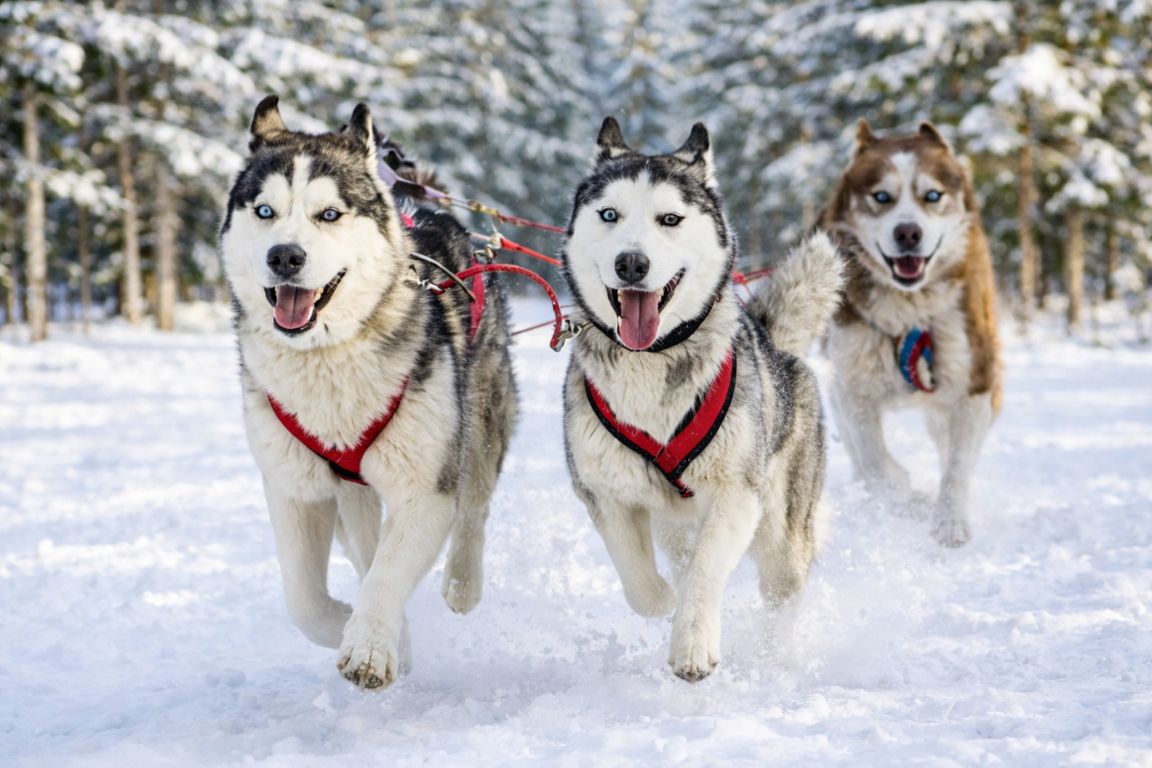
Alaskan and Siberian huskies dominate dog sledding operations with medium size (20-27kg), thick coats, and genetic breeding for cold weather endurance and pulling enthusiasm.
Dogs display manic excitement before runs barking intensely, jumping, and pulling harnesses wanting to run, then becoming calmer affectionate animals after exercise.
Individual personalities range from energetic lead dogs to steady team dogs to lazy wheel dogs (closest to sled), with mushers matching personalities to positions.
Proper care includes veterinary attention, nutritious diets, adequate rest between runs (maximum 2-3 runs daily), and off-season exercise maintaining fitness year-round.
Table: Understanding Sled Dog Teams
| Aspect | Details | What to Observe | Common Questions | Ethical Considerations | What It Means |
|---|---|---|---|---|---|
| Team Size | 4-6 dogs per sled | How many pulling | Why not more/fewer? | Appropriate load per dog | Typically 4-6 for 2 passengers |
| Positions | Lead, swing, team, wheel | Front vs back dogs | Different roles? | Lead dogs work hardest | Front steers, back pulls most |
| Breeds | Alaskan or Siberian Husky | Color, size variations | Pure bred? | Genetic health | Medium 20-27kg, thick coats |
| Excitement Level | Manic before, calm after | Barking intensity | Always this hyper? | Natural behavior | Love running, not forced |
| Running Style | Loping gait, 15-25 km/h | Smooth team motion | Do they get tired? | Should show enthusiasm | Natural pace for huskies |
| Interaction Time | Before and after mainly | When can you pet? | Friendly with strangers? | Not stressed by handling | After run is best time |
| Work Schedule | Max 2-3 runs daily | Tour frequency | How often do they work? | Adequate rest essential | Rotation prevents overwork |
| Living Conditions | Individual houses, outdoor | Kennel layout | Live outside in cold? | Appropriate for breed | Huskies prefer cold |
The breed selection shows Alaskan huskies (mixed working dogs) versus Siberian huskies (pure breed) with Alaskans being more common in tourism due to stronger work drive.
Pre-run energy demonstrates dogs’ genuine enthusiasm for running with barking, jumping, and excited behavior indicating they want to pull rather than being forced.
Post-run calmness provides best interaction opportunities with tired dogs accepting petting, photos, and gentle play versus pre-run chaos being too frantic.
Team dynamics show lead dogs being most intelligent and focused following commands, while wheel dogs (closest to sled) being strongest pulling heaviest loads.
The harness system distributes pulling force across chest and shoulders without choking, with proper fit being essential for dog comfort and effective power transfer.
Work rotation ensures individual dogs run maximum 2-3 times daily with rest days weekly, preventing exhaustion while maintaining fitness and enthusiasm.
Living conditions show dogs housed in individual outdoor kennels (small houses with runs) since huskies tolerate cold better than indoor heat, thriving at -20°C.
Veterinary care from ethical operators includes regular checkups, vaccinations, paw protection (booties if needed), and immediate treatment for injuries or illness.
The retirement question shows working sled dogs typically retiring around age 8-10 when energy declines, with responsible operators adopting out as pets or keeping as kennel mascots.
Discover what fits this part of your trip. The four-hour husky outing includes kennel transfers, an Arctic suit and winter boots. Explore Self-Drive Husky Adventure On Kvaløya
How Do Tours Handle Photography?
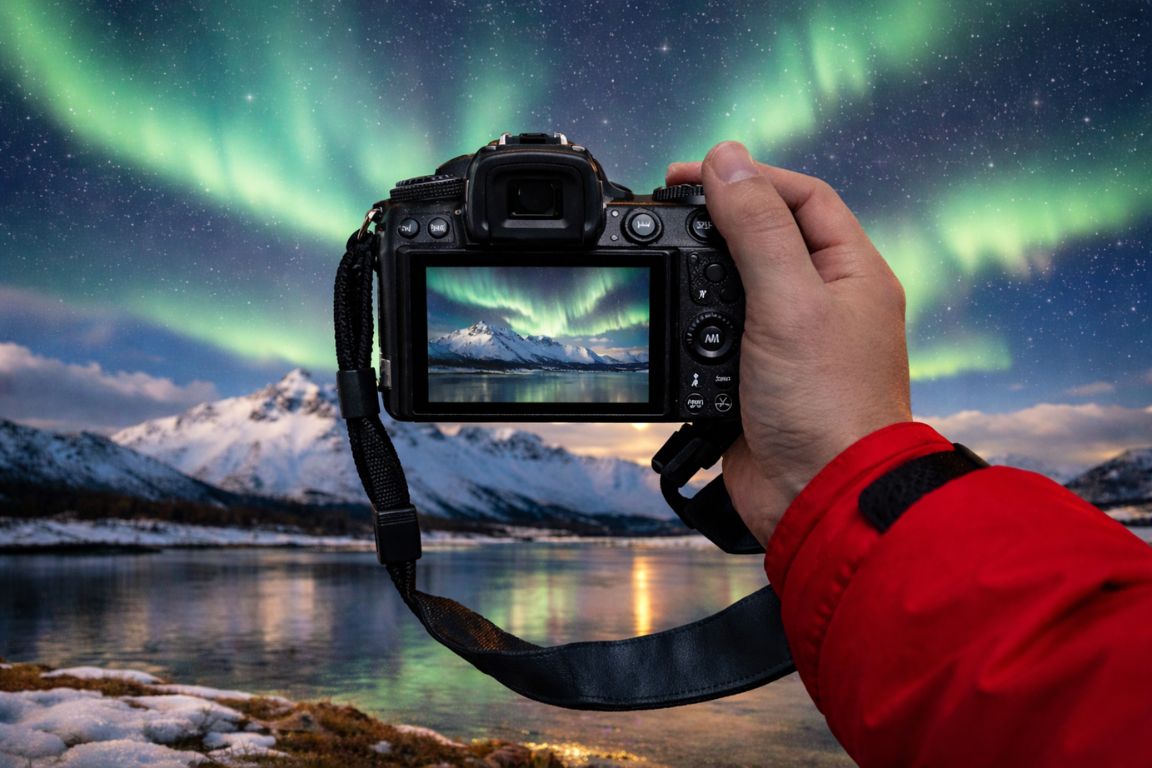
Photo stops occur 1-3 times during sledding runs with guides halting teams for 3-5 minutes enabling participants photographing landscapes, dogs, and action shots.
Action shots while moving prove difficult for drivers focused on controlling sleds, with passengers in sled baskets having better photo opportunities though limited angles.
Post-sledding session allows 10-15 minutes photographing dogs up close, getting selfies with huskies, and capturing details impossible during motion.
Professional photographer tours offered by some operators include dedicated photographers capturing action shots provided to guests after tours, costing €50-100 extra.
Table: Photography Opportunities and Challenges
| Photo Type | Opportunity | Best Timing | Difficulty | Equipment Needed | Success Rate | Tips |
|---|---|---|---|---|---|---|
| Action Shots (Your Sled) | Limited | Passenger only | Very Hard | Smartphone okay | Low (10-20%) | Focus on video instead |
| Action Shots (Other Sleds) | Good | During photo stops | Medium | Any camera | High (70-80%) | Capture others passing |
| Landscape with Dogs | Excellent | Photo stops | Easy-Medium | Any camera | Very High (90%+) | Use photo stops fully |
| Dog Close-ups | Excellent | After sledding | Easy | Any camera | Very High (90%+) | Wait for calm dogs |
| Selfies with Dogs | Good | After sledding | Easy | Smartphone | High (80%) | Ask for help |
| Pre-Run Chaos | Good | Before harnessing | Easy | Any camera | High (70%) | Energetic atmosphere |
| Professional Action | Excellent | Throughout | Easy (for you) | Operator provides | Perfect (100%) | Pay extra €50-100 |
| Video | Good | Throughout | Medium | Smartphone/GoPro | Medium-High | Easier than stills |
The action shot challenge shows drivers needing both hands on handlebar unable to operate cameras safely, with attempts causing dangerous loss of control.
Passenger photography from sled baskets enables taking photos though limited viewpoints (low angle, facing backward) and bumpy motion creating blur challenges.
Photo stop positioning shows guides selecting scenic locations with mountain backdrops or forest clearings specifically for photography, though stops being brief (3-5 minutes).
GoPro or action camera mounting on helmets or sleds captures continuous video without hands-free operation, with many participants preferring video over still photography.
The group photo tradition at tour end gathers all participants with dogs for commemorative shots, with guides assisting positioning and taking photos on multiple phones.
Professional photographer advantage eliminates participant photography stress enabling full focus on driving experience while ensuring high-quality action shots captured.
Cold weather phone challenges show devices dying quickly in -15°C requiring inner pocket storage between shots and minimal exposure time outside.
Photo processing services from some operators provide online galleries with all participants’ action shots (if professional photographer included) available for download within 2-3 days.
Check the photography arrangements before packing your camera. The four-hour husky outing includes kennel transfers, an Arctic suit and winter boots. Explore Self-Drive Husky Adventure On Kvaløya
What About Safety and Accidents?
Minor incidents occur occasionally including sled tipping on sharp turns (5-10% of rides), drivers falling off runners (2-5%), or dogs tangling harnesses requiring brief stops.
Serious injuries remain rare (less than 1%) with most operators maintaining excellent safety records over years of operation, though risks inherently exist with winter wilderness activities.
Safety equipment includes sleds designed with low centers of gravity resisting tipping, emergency brakes guides control remotely, and first aid trained staff accompanying all tours.
The insurance requirement shows operators carrying liability coverage protecting participants, with personal travel insurance recommended covering Arctic adventure activities specifically.
Table: Safety Considerations and Risk Factors
| Risk Factor | Likelihood | Severity if Occurs | Prevention | What Happens if It Occurs | Operator Response | Your Protection |
|---|---|---|---|---|---|---|
| Sled Tipping Over | Low-Medium (5-10%) | Minor (bruises) | Proper weight distribution, brake use | Brief stop, right sled, continue | Guide assistance, check injuries | Hold handlebar tight |
| Falling Off Runners | Low (2-5%) | Minor-Medium (bruises, sprains) | Maintain proper stance, both hands | Sled stops, help back on | Immediate stop, assess injury | Don’t let go handlebar |
| Cold Exposure | Medium (15-20%) | Minor (discomfort) | Proper clothing, hand warmers | Shorten tour, warm up | Reduce exposure time | Dress in proper layers |
| Dog Fight | Very Low (<1%) | Minor-Medium | Separate aggressive dogs | Separate teams, calm dogs | Trained handlers intervene | Stay back from dogs |
| Getting Lost | Very Low (<1%) | Medium | Follow trail, stay together | Wait for guide rescue | Search protocol, radio contact | Stay with group |
| Collision with Trees | Very Low (<2%) | Minor-Medium | Stay on trail, control speed | Stop, assess damage/injury | First aid if needed | Brake before turns |
| Frostbite | Low (3-5%) | Medium | Proper gear, awareness | Warm affected area, medical if severe | Shorten tour, provide warmth | Monitor fingers/toes |
The sled tipping mechanics happen mostly on sharp turns when weight shifts incorrectly or brake applied too aggressively, with proper technique largely preventing tips.
Fall-off-runners recovery shows sleds automatically stopping when driver falls since dogs respond to lack of control, enabling remounting without sled escaping.
Cold exposure management involves guides monitoring participants for signs (extreme shivering, white skin patches) and shortening tours or providing extra clothing if needed.
Dog fight rarity reflects careful team selection and spacing, with aggressive dogs excluded from tourism work, though occasional scuffles during harnessing requiring handler intervention.
Trail safety design includes wide paths avoiding tight spaces, gradual turns preventing tipping, and cleared obstacles minimizing collision risks throughout routes.
Emergency protocols show all guides carrying radios or phones enabling contact with base if medical assistance needed, with snowmobiles available for rapid evacuation if required.
The waiver signing before tours acknowledges inherent risks with wilderness activities, releasing operators from liability for minor incidents while maintaining coverage for negligence.
Previous experience requirements don’t exist with tours designed for complete beginners, though operators reserve right refusing participants appearing too unfit or intoxicated.
Check your travel date before arranging other plans. The four-hour husky outing includes kennel transfers, an Arctic suit and winter boots. Check Kvaløya Husky Dates
When Should You Book and What Season?
Book 2-4 weeks ahead during peak season (December-February) when dog sledding tours sell out, with Christmas week requiring 6-8 weeks advance planning.
Operating season runs November-April depending on snow conditions, with December-March being most reliable and September-October/May being impossible without snow.
Best months show January-February offering optimal snow conditions, coldest temperatures creating best snow quality, and established winter weather patterns.
Shoulder season November and March provide decent conditions with lower prices (10-20% discounts) and moderate crowds, though weather being less predictable.
Planning your visit to Tromsø requires coordinating seasons, activities, accommodation, and logistics—our comprehensive travel guide walks you through every decision step-by-step.
See whether the verified December–March operating window matches your Tromsø trip before relying on the article’s broader seasonal overview. Explore Husky Dates
Table: Seasonal Timing for Dog Sledding Tours
| Month | Snow Conditions | Temperature | Tour Availability | Pricing | Crowds | Booking Timeline | Why This Timing |
|---|---|---|---|---|---|---|---|
| November | Building | -6°C to -10°C | Limited early month | 10-20% lower | Moderate | 2-3 weeks | Season starting, variable snow |
| December | Good | -8°C to -12°C | Full operation | Peak rates | Very High | 4-6 weeks | Excellent conditions, Christmas crowds |
| January | Excellent | -12°C to -18°C | Full operation | Peak rates | Very High | 4-6 weeks | Best snow quality, coldest, peak season |
| February | Excellent | -8°C to -12°C | Full operation | Peak rates | Very High | 3-5 weeks | Still excellent, slightly warmer |
| March | Good | -4°C to -8°C | Full operation | 10-15% lower | High | 2-4 weeks | Season ending, warming, good value |
| April | Declining | 0°C to -4°C | Limited | 15-25% lower | Medium | 1-2 weeks | Season end, melting snow |
| May-October | None | Above 0°C | None | N/A | N/A | N/A | No snow, impossible |
The peak season premium shows December-February tours costing €200-250 versus November/March at €180-220, with April (if operating) dropping to €150-200.
January coldest temperatures (-15°C to -20°C typical) create driest fluffiest snow providing fastest smoothest sledding, though requiring warmest clothing.
March warming trend sees daytime temperatures approaching 0°C creating heavier wetter snow that’s slower, though more comfortable conditions for cold-sensitive visitors.
Christmas week December 20-January 5 represents absolute peak demand with tours selling out 6-8 weeks ahead and prices sometimes spiking 20-30% above normal.
Early season November challenges include limited snow coverage requiring operators transporting participants further to snow-reliable areas, extending tour durations.
Late season March-April viability depends on weather with warm springs ending tours by mid-March while cold springs extending operations into early April.
The booking timeline recommendation shows December-February requiring 3-5 weeks ahead, November/March accepting 2-3 weeks, with last-minute availability rare peak season.
Multi-tour visitors should book first tour shortly after arrival testing interest before committing to additional more expensive or longer experiences.
For month-by-month seasonal breakdowns, see our detailed best time to visit Tromsø guide.
FAQs
Discover what fits this part of your trip. The four-hour husky outing includes kennel transfers, an Arctic suit and winter boots. Explore Self-Drive Husky Adventure On Kvaløya
How much does dog sledding in Tromsø cost?
Standard 3-4 hour tours with 30-40 minutes sledding cost €200-250 per person including transport, gear, instruction, and hot drinks. Short 2-hour tours cost €150-180, extended full-day €300-400. Check the self-drive tour's live price for your dates
Check your date before arranging other plans. Explore the live total for your date and party size, then compare it with the documented four-hour duration and included winter equipment. Check The Husky Tour Total
What age can kids do dog sledding in Tromsø?
Minimum ages are typically 5-7 years riding as passengers and 12-16 years self-driving depending on operator. Most tours accommodate families with kids 5+ if riding with parents.
Is dog sledding difficult or tiring?
Moderate difficulty requiring balance, leg strength, and occasional uphill running. Most visitors ages 12-70 complete tours successfully though genuine fitness needs exist. Standing 30-40 minutes can tire legs.
Check your travel date before arranging other plans. The four-hour husky outing includes kennel transfers, an Arctic suit and winter boots. Check Kvaløya Husky Dates
What should I wear dog sledding in Tromsø?
Thermal base layers (top and bottom), proper winter boots rated -30°C, warm socks (2 pairs), thin glove liners under provided mittens, neck warmer, and sunglasses. Thermal suits provided.
Check the supplied gear before buying or packing extra equipment. The four-hour husky outing includes kennel transfers, an Arctic suit and winter boots. Explore Self-Drive Husky Adventure On Kvaløya
How long is the actual dog sledding part?
Actual sledding ranges from 20 minutes (short tours), 30-40 minutes (standard tours), to 60-90 minutes (extended tours), representing 15-25% of total tour time with rest being transport and preparation.
Are dog sledding tours ethical?
Reputable operators ensure dogs rest adequately (max 2-3 runs daily), receive veterinary care, show genuine enthusiasm, and live in appropriate conditions. Research operators checking welfare indicators before booking.
How to Choose and Book Your Dog Sledding Tour
Research operator reputations reading recent reviews focusing on dog welfare comments, sledding duration, and facility quality rather than just price comparison.
Book 3-4 weeks ahead during peak December-February season securing preferred dates and morning slots (typically less crowded than afternoon tours).
Choose tour length based on priorities: short €150-180 testing interest, standard €200-250 for best value and experience, or extended €300-400 for serious enthusiasts.
Prepare proper clothing with thermal base layers, -30°C boots, and accessories since provided thermal suits protect torso but not extremities effectively.
Verify what’s included confirming transport pickup location, gear provided, actual sledding duration, and whether professional photography offered or needs separate purchase.
Consider fitness honestly with moderate balance, leg strength, and cold tolerance required, opting for passenger riding if control concerns exist.
Plan timing around other activities allowing full morning or afternoon (3-4 hours) without cramming schedules, with morning tours typically offering better light for photos.
Ask welfare questions about dog work schedules, rest days, housing conditions, and veterinary care, with transparent operators happily explaining practices versus evasive responses.
For authentic ethical husky sledding experiences, book at / where we partner with operators maintaining highest dog welfare standards.
Glossary
- Musher: Person controlling dog sled, traditionally professional dog sled drivers though now including tourists on self-drive tours.
- Lead Dog: Front husky in team determining direction and pace, typically most intelligent and responsive dog requiring experience and training.
- Thermal Suit: Insulated coverall garment worn over regular clothes providing protection against -15°C to -25°C temperatures during tours.
- Brake Bar: Metal claw mechanism between sled runners that driver steps on pressing teeth into snow creating friction for speed control.
- Gee/Haw: Traditional mushing commands meaning turn right (gee) or left (haw), though modern tourism dogs mostly follow trails automatically.
Discover what fits this part of your trip. The four-hour husky outing includes kennel transfers, an Arctic suit and winter boots. Explore Self-Drive Husky Adventure On Kvaløya
Key Takeaways
- Dog sledding tours in Tromsø cost €150-250 for 2-4 hour experiences with 20-40 minutes actual sledding depending on tour length. Standard €200-250 tours provide best value with 30-40 minute sledding, transport, gear, instruction, hot drinks included.
- Tours operate November-April with peak December-February requiring 3-4 weeks advance booking. Most tours offer self-drive (ages 16+) or passenger options (ages 5+) with 4-6 Alaskan/Siberian huskies pulling 2 people (150kg max combined).
- Physical demand is moderate requiring balance standing on runners, leg strength for brake control, and occasional uphill running 20-50 meters.
- Essential clothing: thermal base layers top/bottom, proper -30°C winter boots (most important), warm socks 2 pairs, thin glove liners, neck warmer. Tour timeline: 30min transport, 30min preparation/instruction, 20-40min sledding, 15min dog interaction, 30min return transport.
- Temperature range -5°C to -25°C with tours canceling if too warm (no snow) or dangerous cold (-30°C+). Control mechanics: stand on runners, step on brake bar for speed control, grip handlebar with both hands, weight shift on turns.
- Dogs show manic excitement pre-run (genuine enthusiasm indicator), become calm after for petting and photos. Photography challenges: drivers can’t safely operate cameras, passengers have limited angles, photo stops 1-3 times, professional photographers €50-100 extra.
- Best operators: Tromsø Villmarkssenter (€240-260, premium quality), Tromsø Lapland (€200-230, solid mid-range), Arctic Adventure (€150-180, budget option).
- Ethical indicators: dogs showing enthusiasm, max 2-3 runs daily, individual housing, veterinary care, adequate rest days. Safety: minor tipping incidents 5-10% rides, serious injuries rare under 1%, proper stance and brake use prevents most issues.
- Best months: January-February optimal snow, December high crowds, November/March moderate pricing. Not included: personal base layers, tips €5-15 optional, professional photos, meal on short tours.
- Weight limit 150kg combined per sled protecting dog welfare. Plan complete husky sledding at /.
Written by Erik Johansen, Tromsø tour guide for the past 15 years, specializing in Arctic wilderness experiences and ethical dog sledding operations.
Check Your Tour Date
Check your Tromsø sledding date before filling the day. This four-hour self-drive outing includes kennel transport, winter gear, cake and a hot drink.
Adjust activity, timing or group needs
General recommendations: confirm dates and group requirements
There is no independent substitute for driving a trained working-dog team. If the tour does not fit, use the guide's welfare questions when researching kennels and choose a free winter walk instead. Do not approach or handle working dogs outside an organized visit.
Compare Your Group’s Real Costs
Use current quotes in the same currency. Include transport, fuel, parking and equipment in your DIY total. Include all participants and extras in the tour total.
Booking takes place with the provider. Prices, exact departures and available options are shown there. We may earn a commission when you book through these links.